
Small Kitchens · Coffee Tips · CozyPrac Guide
5 Coffee Maker Mistakes
That Are Ruining Your Morning Cup
Bitter coffee, weak coffee, a machine that smells faintly of old grounds — most of these problems come down to a few habits that are easy to fix once you know what’s going wrong.
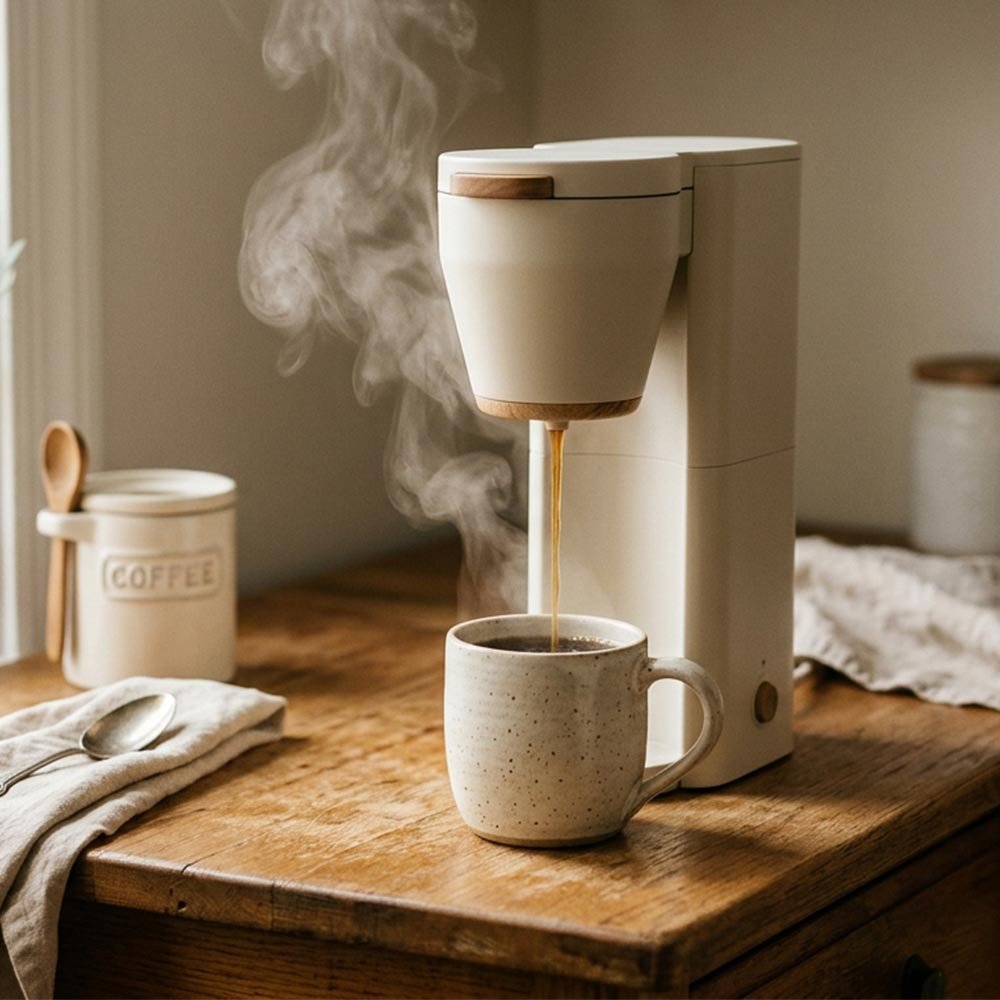
These common coffee maker mistakes are easier to fix than you’d think. Coffee should be the easiest part of your morning. Add water, press a button, done. So why does it sometimes taste bitter, weak, or just… off?
Most coffee maker problems aren’t actually about the machine — they’re about a handful of small habits that quietly mess with the result. Every one of them is an easy fix once you know what’s happening. ☕
Common Coffee Maker Mistakes to Avoid
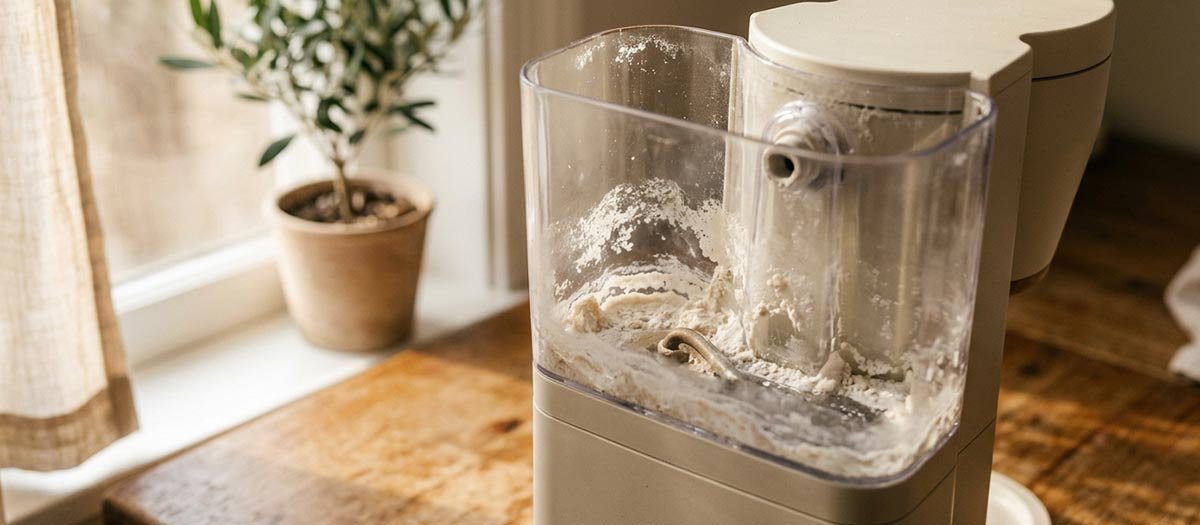
Never Descaling the Machine
Every time you brew, tiny amounts of mineral deposits from your water build up inside the machine — in the reservoir, the heating element, the tubing. The EPA has general information on water hardness if you’re curious how much mineral content your local water actually carries. Over weeks and months, this buildup is exactly why your coffee starts tasting flat or slightly metallic, and why the brew cycle gets slower.
🛒 You might also need
-
Coffee maker descaling solution
A pre-made descaling formula if you’d rather skip mixing vinegar yourself.
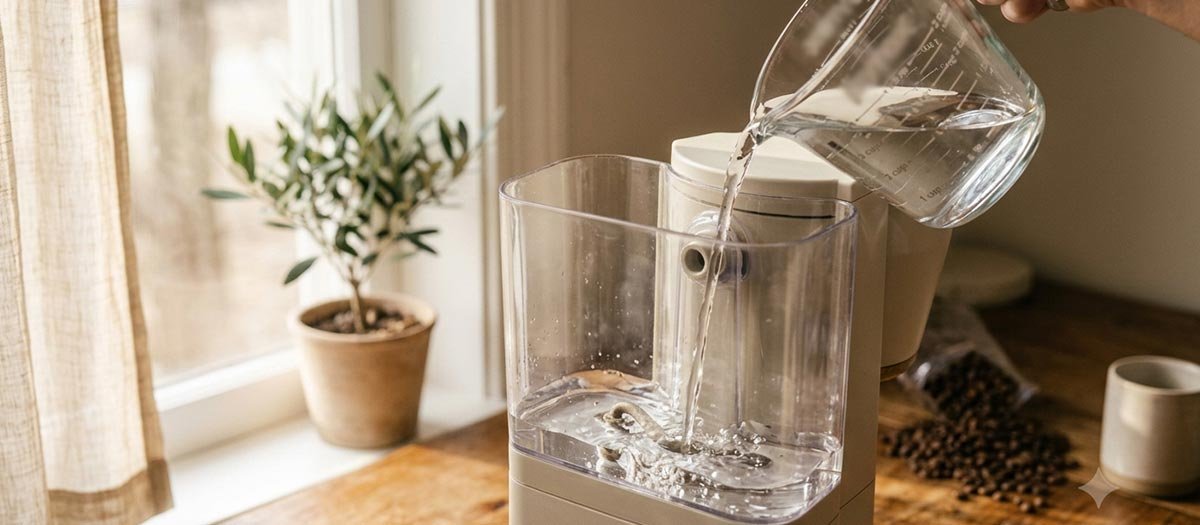
Using Unfiltered Tap Water Every Day
Water makes up over 98% of your cup, so its quality matters more than most people realize. Tap water with a high mineral content or a noticeable chlorine taste transfers that flavor directly into your coffee — no amount of good beans can fully mask it.
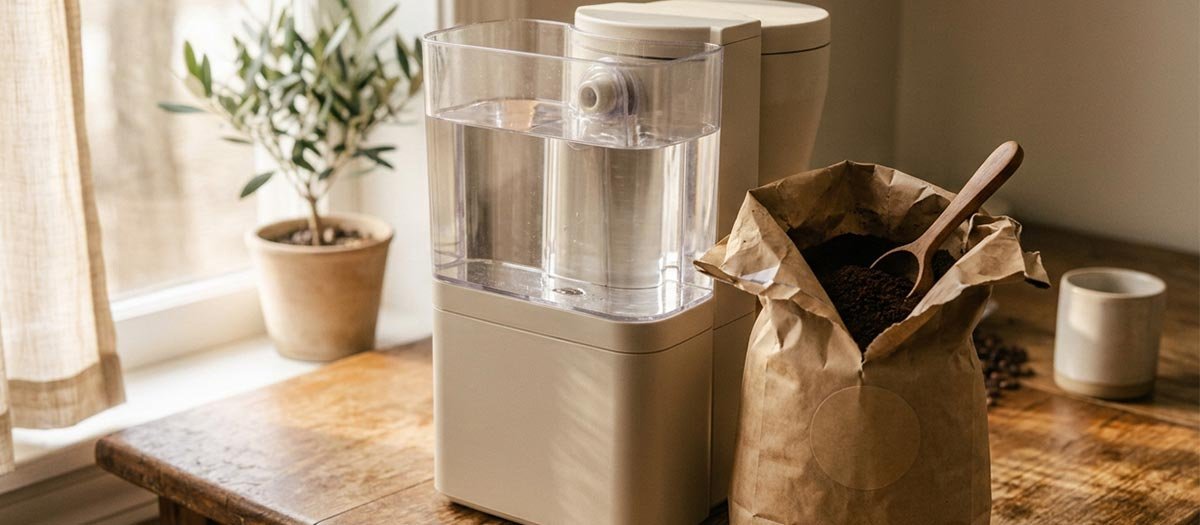
Storing Coffee Grounds Near the Machine’s Heat
Keeping your coffee bag or canister right next to the machine is convenient, but the heat and steam from brewing speeds up how quickly the grounds go stale. Stale coffee tastes flat and loses the aromatic notes that make it worth drinking in the first place.
🛒 You might also need
-
Airtight coffee storage canister
Keeps grounds fresher for longer by blocking out light and air.
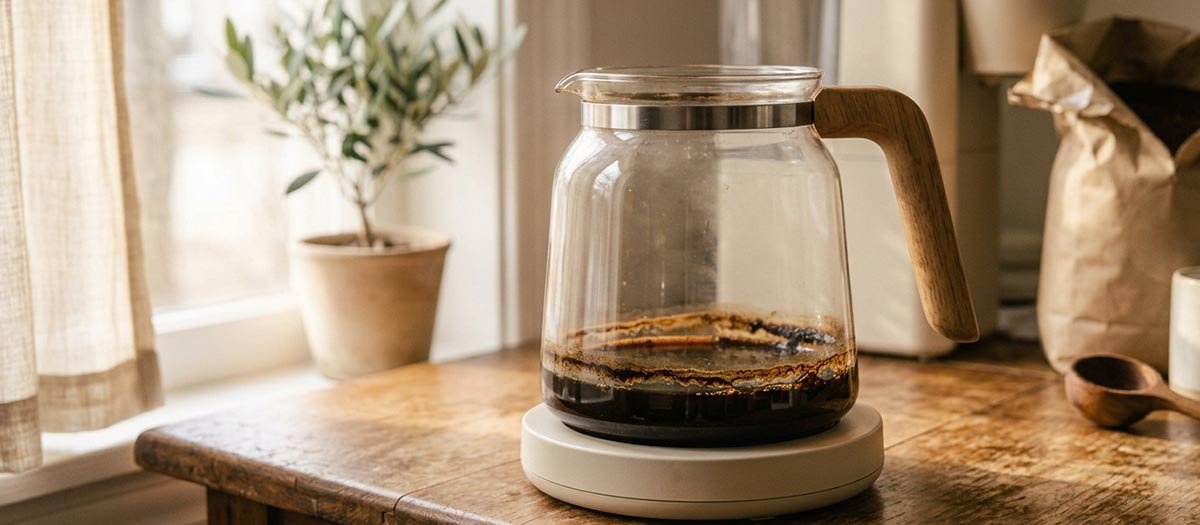
Leaving Coffee on the Warming Plate Too Long
If your setup has a warming plate, leaving coffee sitting on it for over 20-30 minutes slowly cooks the coffee, turning what was a good cup into something bitter and burnt-tasting. This is one of the most common reasons “the same coffee” tastes great at 7am and awful by 9am.
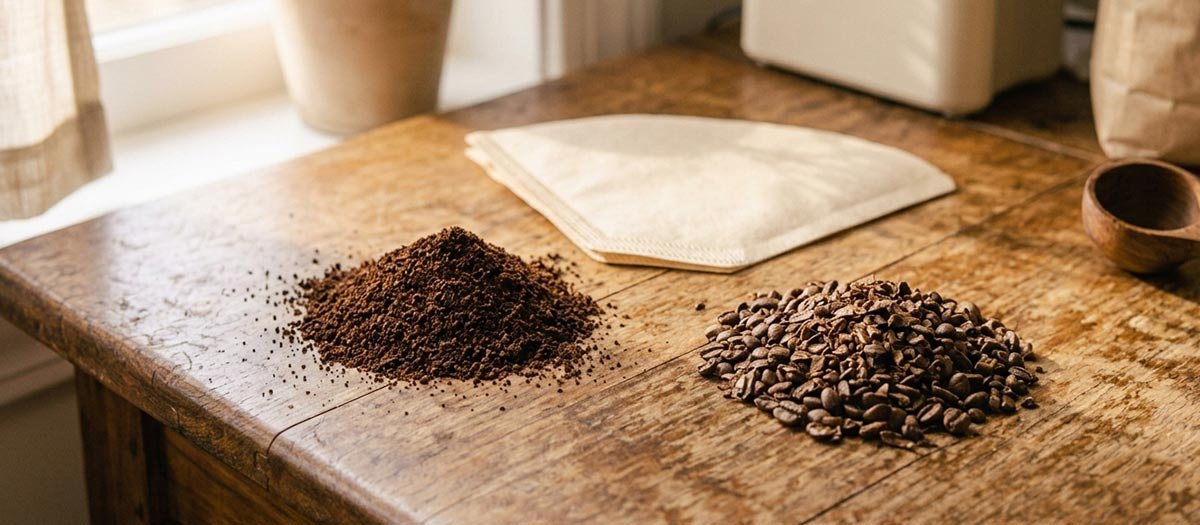
Using the Wrong Grind Size for Your Machine
Grind size isn’t a minor detail — it changes how quickly water can extract flavor from the coffee. Too fine for a drip machine and the coffee over-extracts, turning bitter. Too coarse and it under-extracts, tasting weak and watery even if you used a generous scoop.
None of these fixes take more than a few minutes, but together they make a real difference — better-tasting coffee, a machine that lasts longer, and one less thing to think about before your first sip. ☕🏡
💡 Looking for other small, affordable kitchen finds?
We keep a running list of budget-friendly picks we actually recommend.
See Budget Finds →
Ready for an Upgrade?
If your current machine is more trouble than it’s worth, we compared three of the best slim coffee makers for small kitchens — pod convenience, espresso quality, and budget picks included.
→ See the Coffee Maker Comparison