
Kitchen Basics · Zero Waste · CozyPrac
What to Do With Leftover Coffee Grounds
Before those used grounds hit the trash, they’ve still got a few useful jobs left in them — in the kitchen, the garden, and around the house.
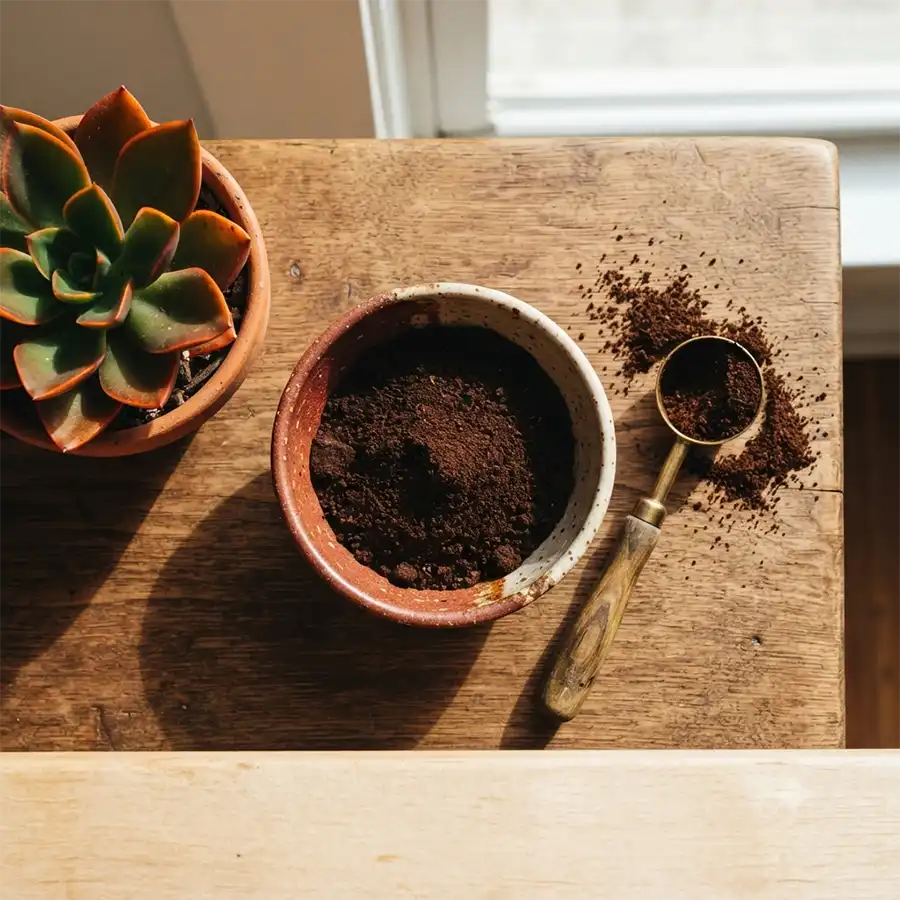
If you’re brewing coffee daily, you’re also generating a small pile of used grounds every single day — and most of it goes straight in the trash. It doesn’t have to. Used coffee grounds still have real, practical uses before they’re actually done. ☕
Figuring out what to do with leftover coffee grounds is easier than it sounds — most of these ideas take less than a minute and reuse something you were about to throw away anyway. Here’s where they still have some life left in them.
In the Kitchen
A few ways to put them back to work before they leave the house.
Fridge Odor Absorber
Dry the grounds fully, then leave a small open container in the fridge. Coffee grounds absorb odors the same way baking soda does — a genuinely free alternative if you’re out.
Hand Deodorizer
Chopped garlic or onion smell won’t budge with soap alone. Rubbing a small amount of used grounds between your hands before washing helps neutralize the smell.
Meat Rub Booster
A tablespoon of fine, dry grounds mixed into a dry rub adds a subtle smoky depth to grilled or roasted meat — a trick a lot of barbecue cooks already use on purpose.
Drain Freshener
Used sparingly (not as a regular habit — grounds can clog pipes over time), a small amount flushed with hot water can help cut odor in a garbage disposal.
In the Garden
This is where used grounds genuinely shine.
Compost Booster
Coffee grounds are nitrogen-rich, which makes them a solid “green” addition to a compost pile — they break down fast and help balance out drier “brown” materials like dead leaves.
Acid-Loving Plant Feed
Plants like blueberries, azaleas, and hydrangeas prefer slightly acidic soil. A thin layer of grounds worked into the topsoil around them can help, in moderation.
Natural Pest Deterrent
Some gardeners scatter dry grounds around plants to discourage slugs and ants, who tend to avoid crossing the coarse, acidic texture.
Gentle Exfoliant
Mixed with a bit of coconut oil, used grounds make a simple DIY body scrub — coarse enough to exfoliate, fine enough not to scratch.
What to Do With Leftover Coffee Grounds: The Bottom Line
You don’t need to use every idea on this list — even picking one or two (composting and fridge odor control are the easiest starting points) keeps a genuinely useful material out of the trash. It’s a small habit, but it adds up over a year of daily coffee.
Brewing More Coffee Than You Used To?
If your coffee routine has grown into a daily habit, it might be worth seeing how your current setup compares to something built for a smaller space.
→ See Our Compact Coffee Maker Picks