
Small Kitchens · Kettle Tips · CozyPrac Guide
5 Kettle Mistakes
You’re Probably Making
Flat-tasting tea, a kettle that takes forever to boil, water that looks slightly cloudy — most of these come down to a handful of habits that are easy to fix once you know what’s going wrong.
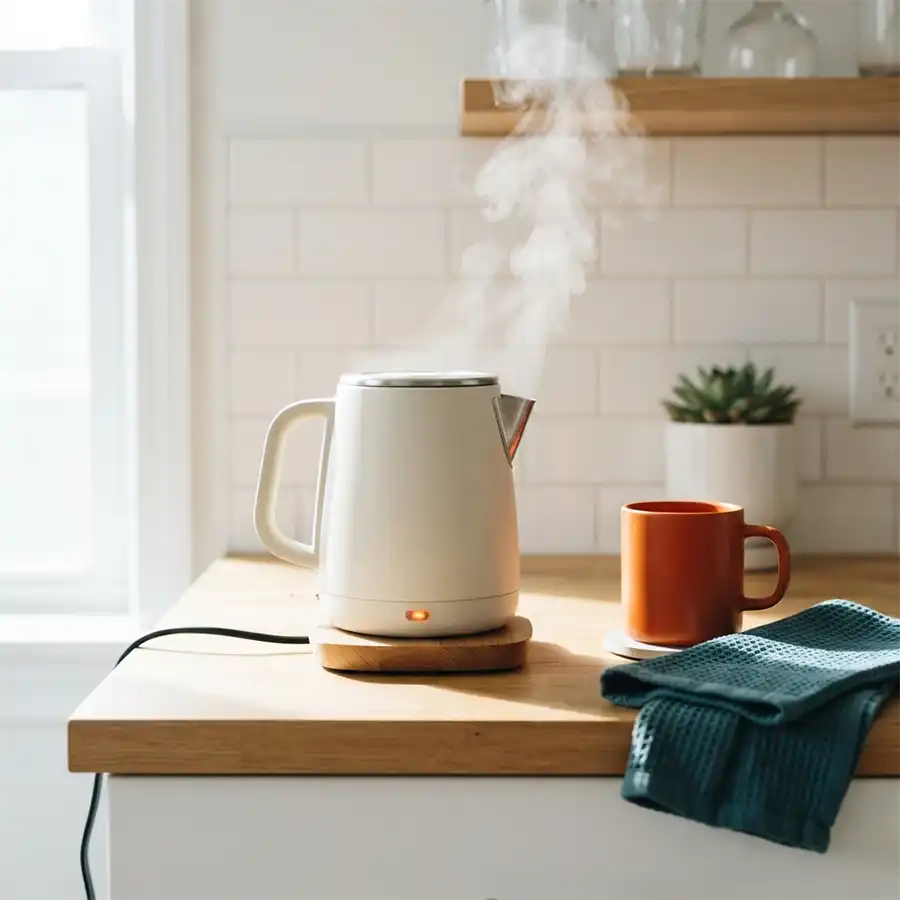
These common kettle mistakes are easier to fix than you’d think. Boiling water feels like the one thing in the kitchen that’s impossible to mess up. Fill it, flip the switch, done. So why does the tea still taste a little flat, or the kettle seem slower than it used to be?
Most kettle problems aren’t really about the kettle — they’re about a handful of small habits that quietly work against it. Every one of them takes just a few minutes to fix. 🫖
Common Kettle Mistakes to Avoid
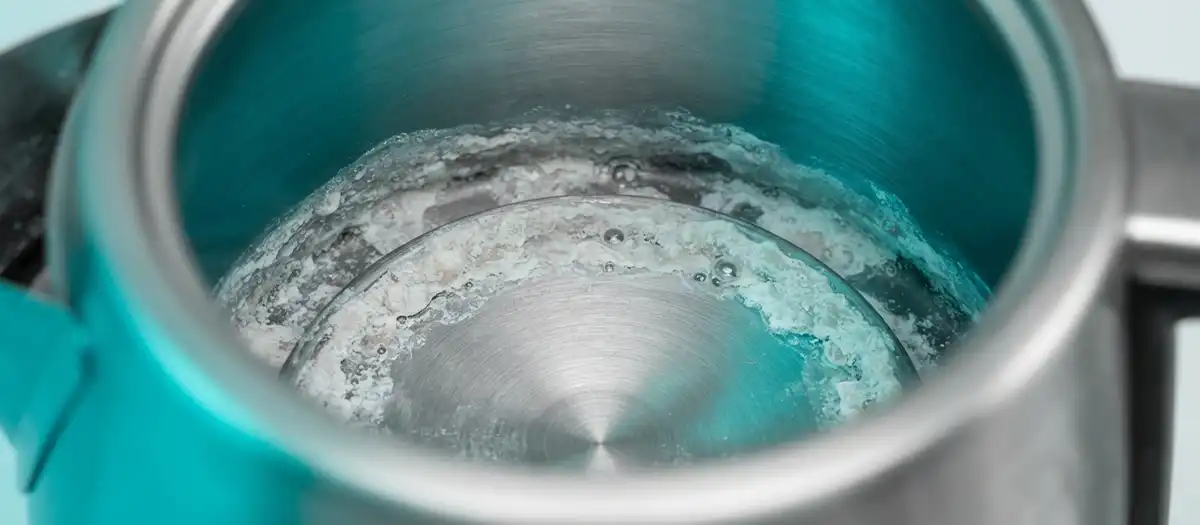
Never Descaling the Kettle
Every boil leaves behind a tiny amount of mineral residue from your water, and it slowly builds into the white, flaky limescale you can see clinging to the heating element and the bottom of the kettle. Beyond looking unpleasant, this buildup is exactly why boiling starts taking longer and why your tea or coffee can pick up a faint chalky taste.
🛒 You might also need
-
Kettle descaling solution
A pre-made descaling formula if you’d rather skip mixing vinegar yourself.
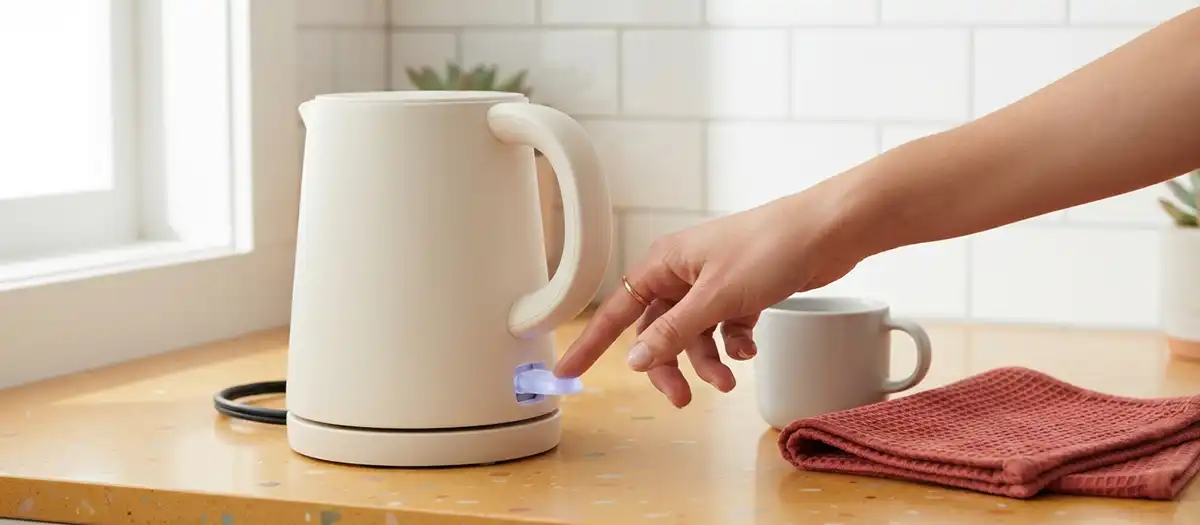
Reboiling the Same Water Over and Over
Topping off half-used water and reboiling it feels efficient, but each boil drives dissolved oxygen out of the water. That oxygen is part of what gives tea and coffee their brightness — water that’s been boiled repeatedly tends to taste noticeably flatter, even if everything else about your brew is the same.
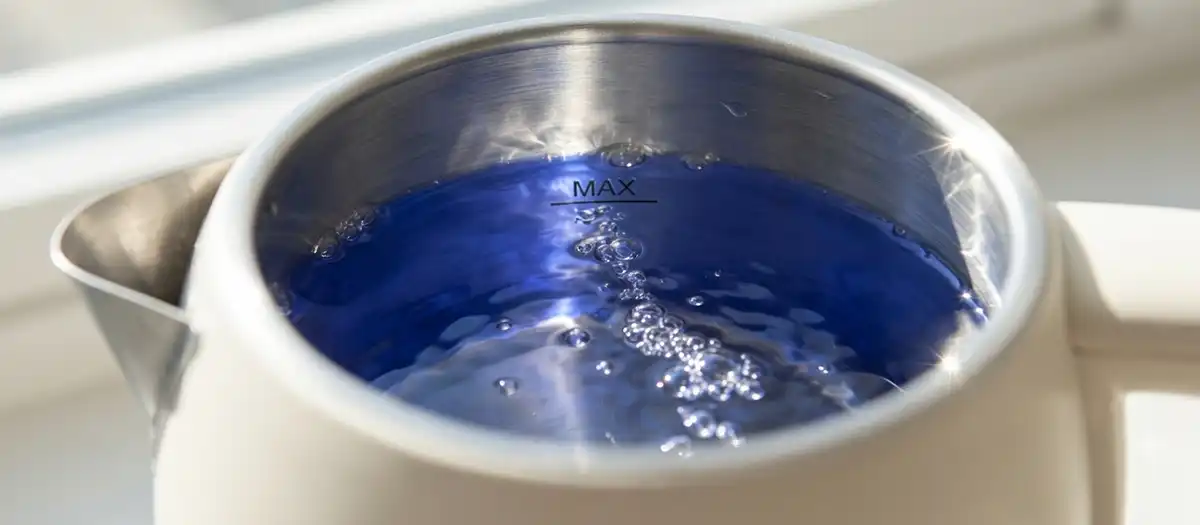
Filling Past the Max Line
It’s tempting to fill right to the top when you’re making a big pot of tea, but overfilling leaves no room for the water to expand and bubble as it heats. That’s when kettles start spitting hot water from the spout or lid, which is a genuine burn risk, not just a mess.
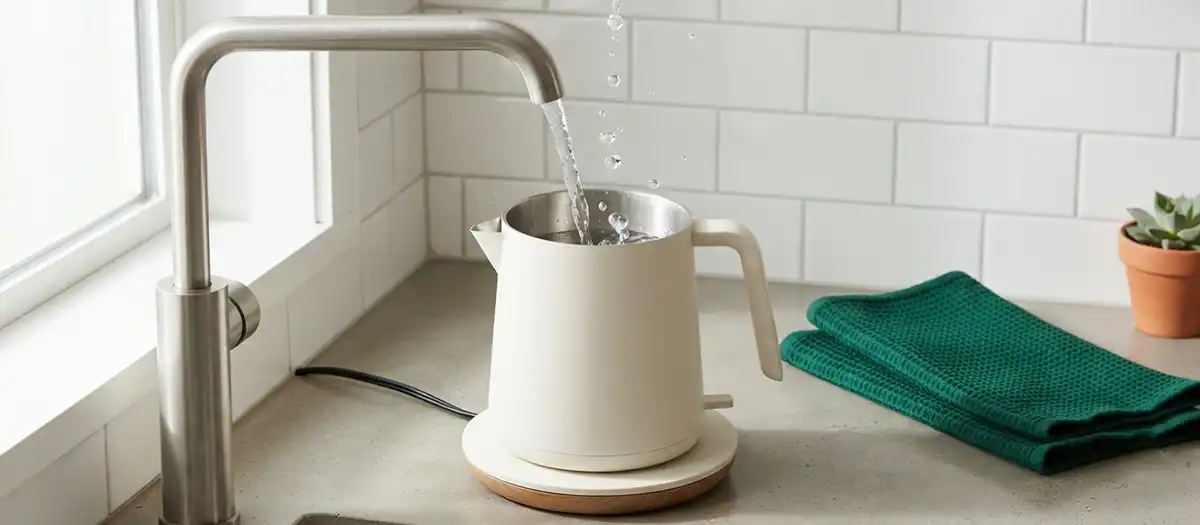
Using Unfiltered Hard Tap Water
Since water is basically the entire drink, its quality matters more than people expect. Hard tap water with a high mineral content not only speeds up limescale buildup (see Mistake #1), it can also carry a faint metallic or chlorine taste straight into your cup.
🛒 You might also need
-
Water filter pitcher
Cuts down on mineral taste and chlorine before it ever reaches the kettle.
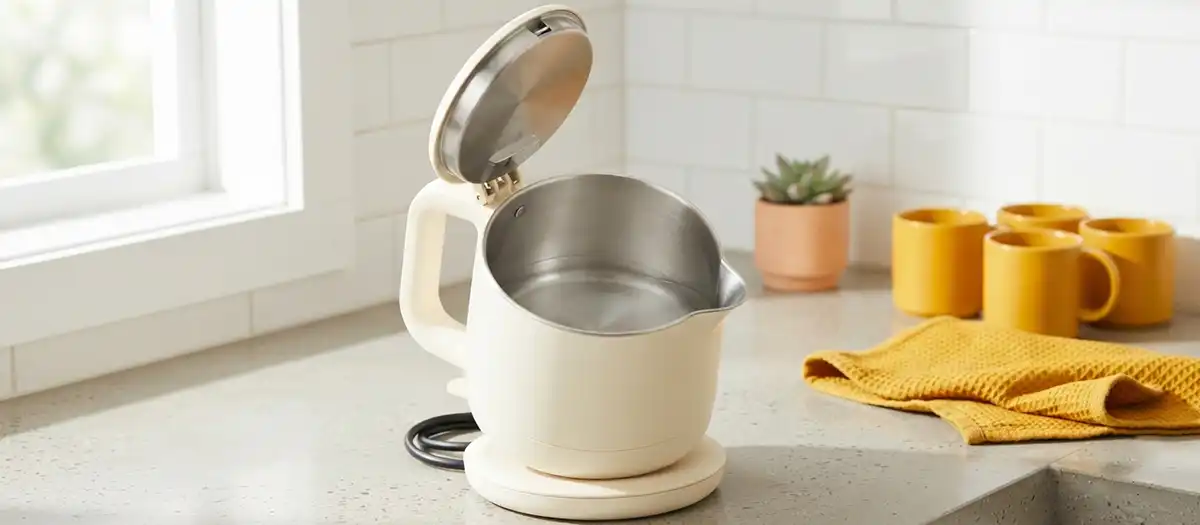
Leaving Water Sitting In the Kettle Between Uses
Leaving leftover water in the kettle “for next time” seems harmless, but standing water evaporates and concentrates minerals faster than fresh water does, and it gives dust and airborne particles time to settle in. It’s a small habit that quietly speeds up both limescale and that slightly stale smell some kettles develop.
None of these fixes take more than a few minutes, but together they make a real difference — better-tasting tea and coffee, a kettle that boils faster, and one less thing to think about before your first cup. 🫖🏡
💡 Looking for other small, affordable kitchen finds?
We keep a running list of budget-friendly picks we actually recommend.
See Budget Finds →
Ready for an Upgrade?
If your current kettle is more trouble than it’s worth, we compared three of the best compact electric kettles for small kitchens — fast boil times, quiet operation, and budget picks included.
→ See the Kettle Comparison